

I started my first business as a sophomore in high school, selling pine straw around Atlanta. Ten years later, Village began with my seventeen-year-old neighbor, who had stood up his own book of auto detailing customers at the same age. I built the software to help him set prices, schedule customers, hire teammates, track jobs, and get paid.
I assumed I would be the one teaching. Wrong! The beta quickly put me on the receiving end of customer feedback. We iterated, iterated, iterated all summer. The most useful lessons came from small business operators running pressure washing, junk hauling, and detailing businesses, and from a few teenagers selling pine straw just like I once did.
Brecken at Junk Busters
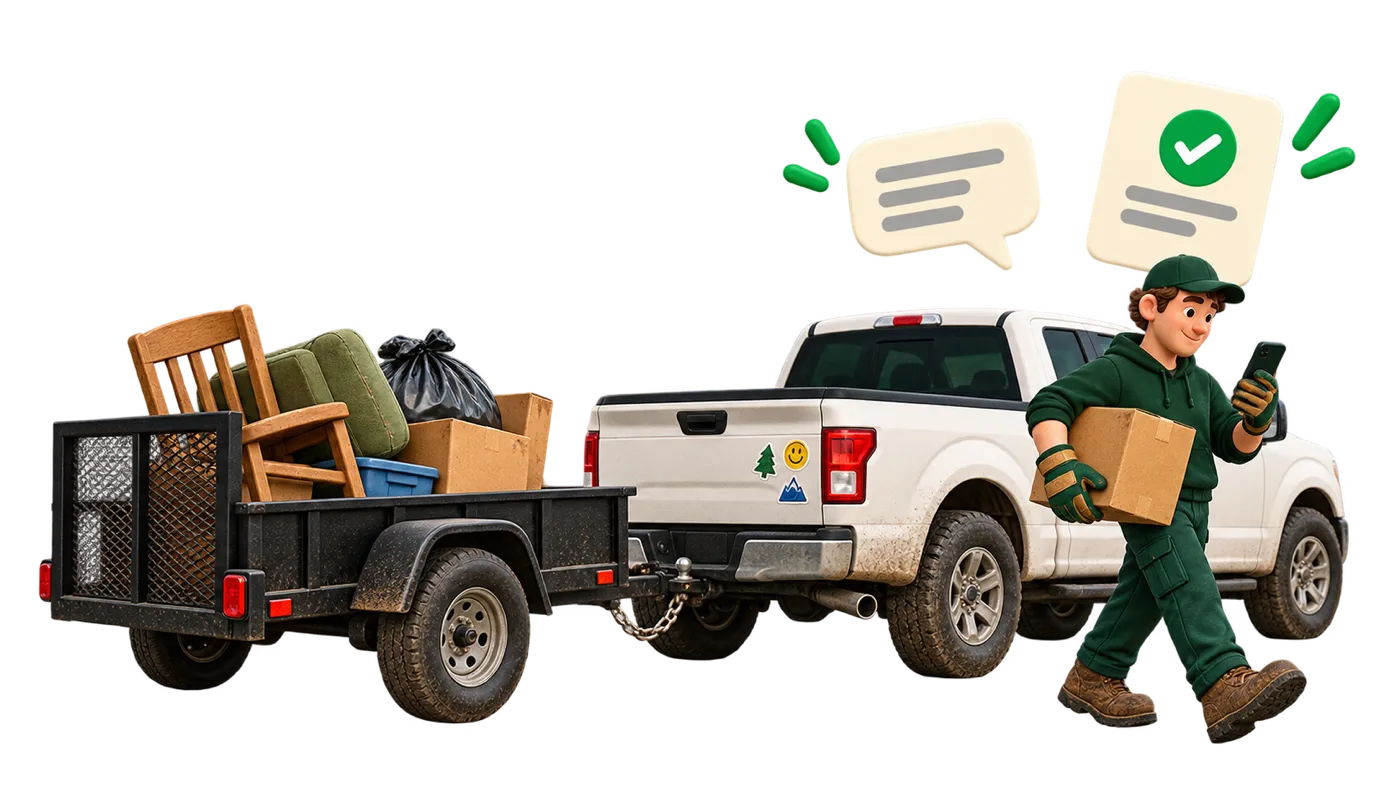
Our most active beta user was Brecken, who runs Junk Busters and Moving. Before Village, he kept track of his jobs and customers from memory and scattered text messages. He called Village a big upgrade. One customer told him she liked how professional it looked. He says it helps him get tips. Over the beta he sent seven invoices through Village totaling ~$1,200, plus ~$200 in tips. His customers paid him directly, and he marked each invoice paid in Village.
He is also starting a second business, and he has committed half of his junk-hauling profit to it. Expense tracking makes those profits visible in Analytics, so he can see exactly what to set aside.
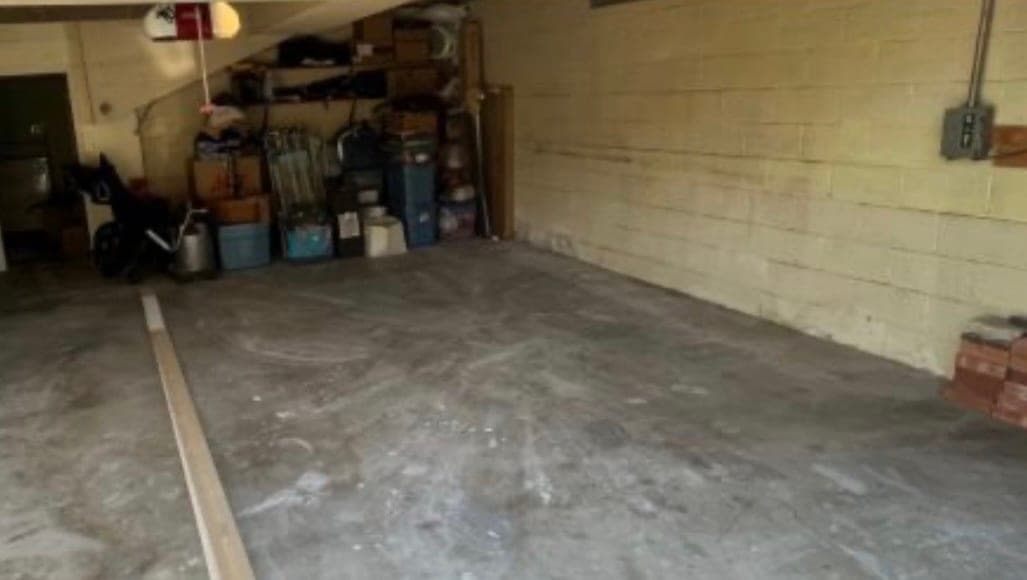
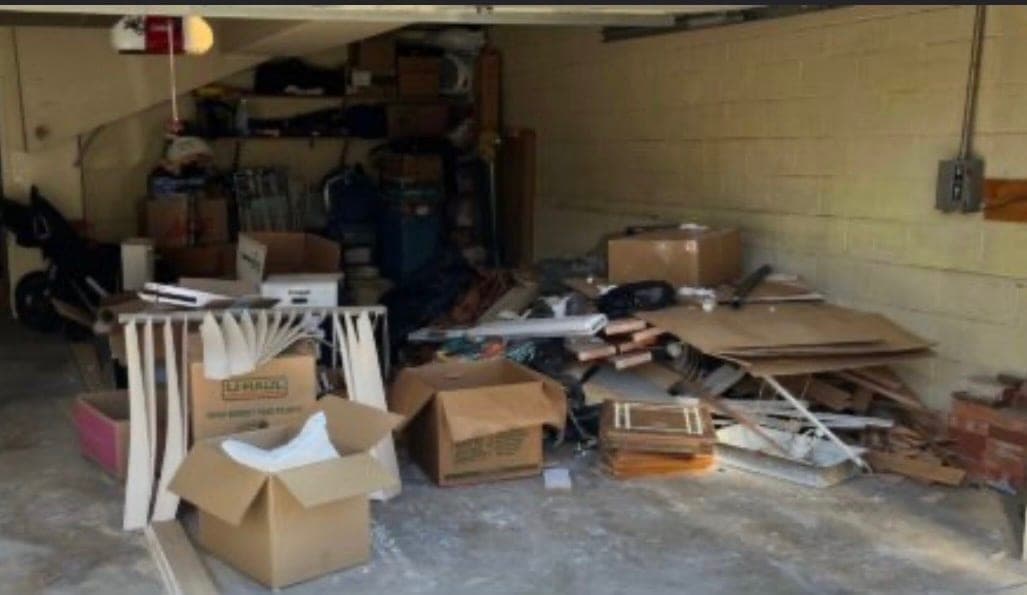
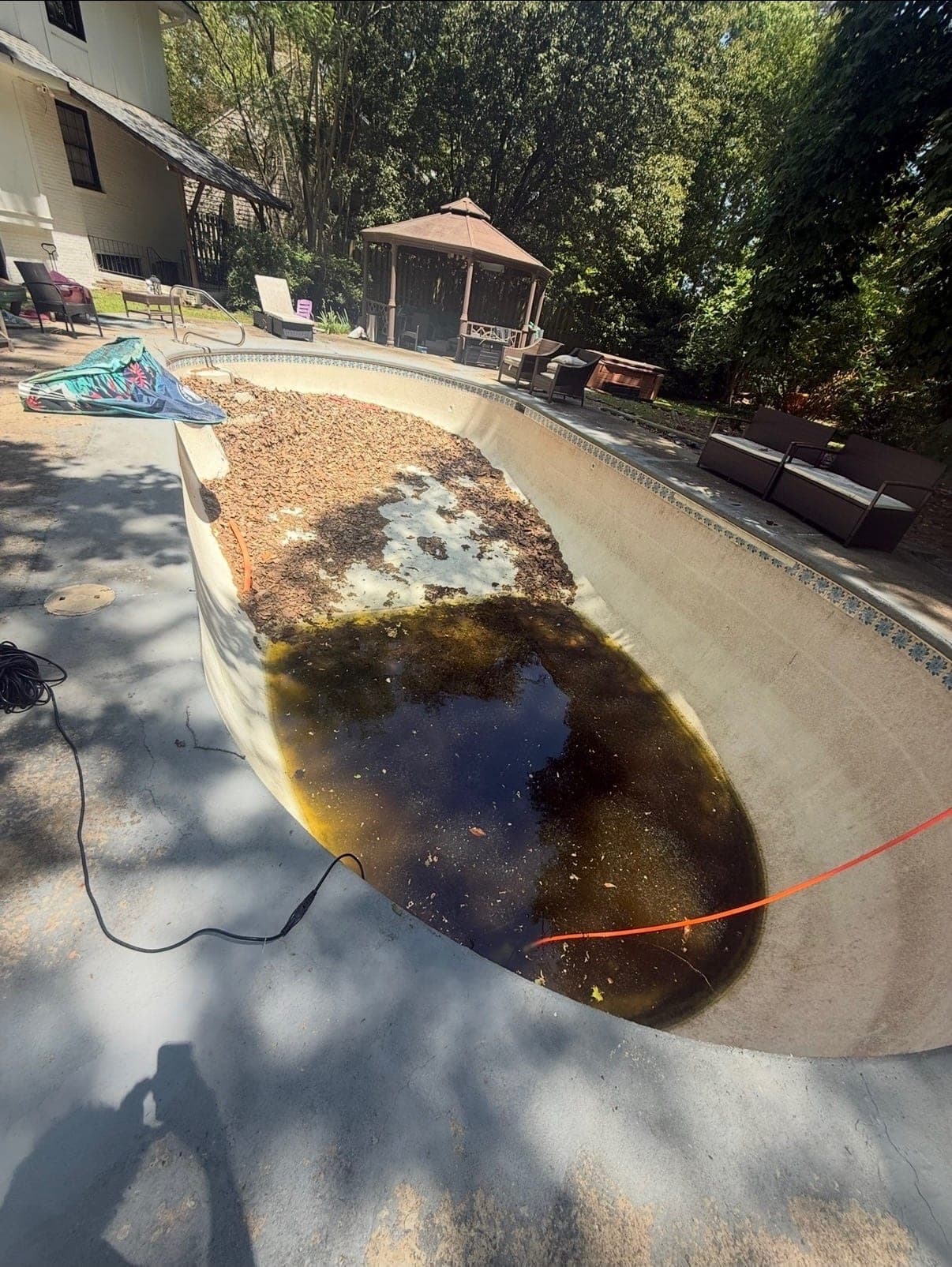
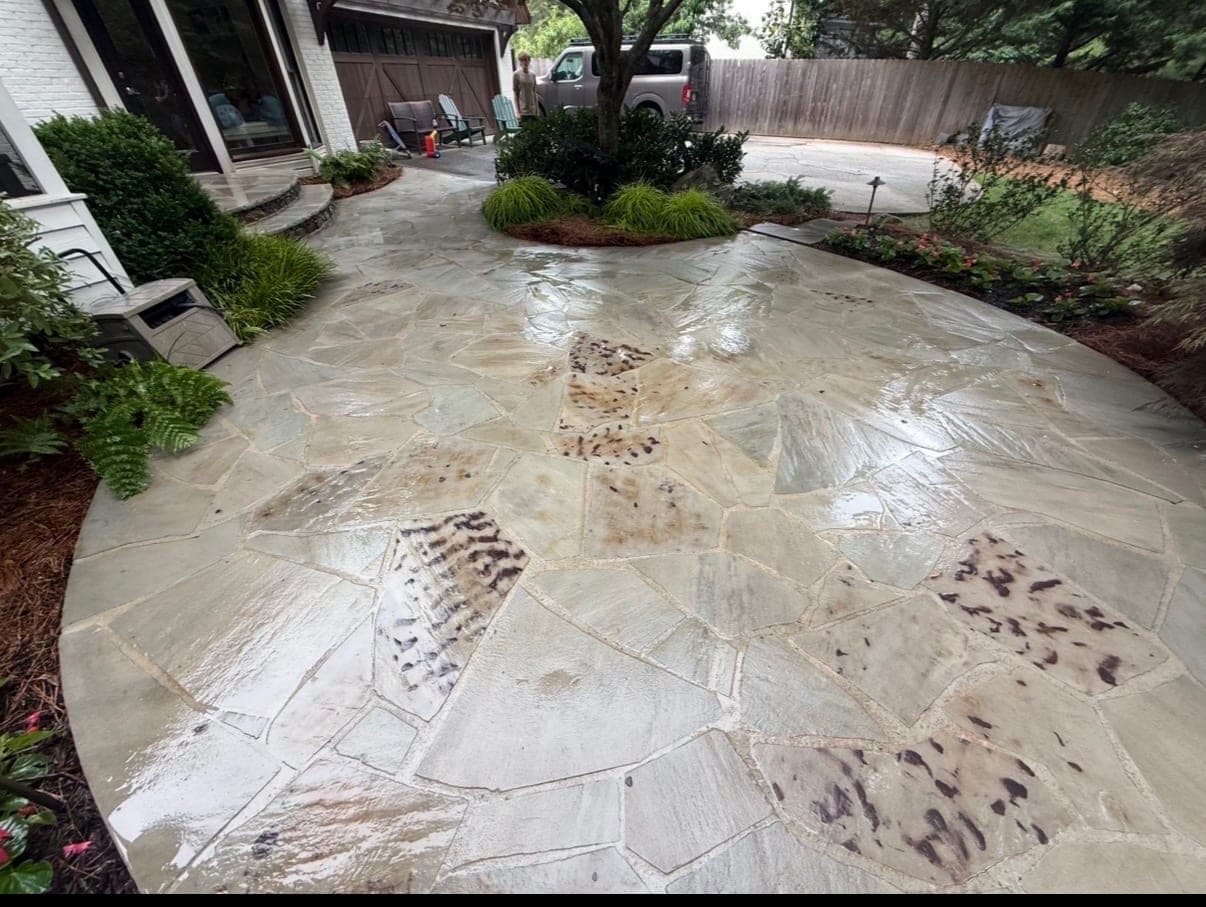
Here are a few before and after photos of his jobs from his Village booking page. Drag the slider to compare.


High-level results
The beta ran through July and August. These numbers leave out our own accounts, demo accounts, and test accounts. Nineteen operators used the app, and ten came back after their first week. More of the app was used on iPhone than on any other device.
Seven businesses added 72 customers to Village. Five wrote 26 quotes, and customers accepted 10 of them. Three businesses marked 17 invoices as paid, totaling $1,692, including $312 in tips. Of that, $506 was paid by card through Village. The rest was paid directly to the operator, by cash, check, or another app, and then marked paid in Village.
- A mobile detailer and a college-run home services crew both collected card payments and tips through their Village invoices.
We know these numbers are small. That was on purpose. We kept the beta to a small group so we could work closely with each operator, and our focus was on building a quality system that can scale, not on growing numbers quickly. What the beta proved to us is that the plumbing works: real customers were added, real quotes were accepted, real invoices were sent and paid, and real operators came back week after week to run their businesses on Village.
Customers never had to download anything to use Village, they just interacted with Village by way of a groupchat with their service provider. Operators' booking pages drew 259 views from 97 visitors, and quotes and invoices arrived as a link they could open on their phone.
How we learned
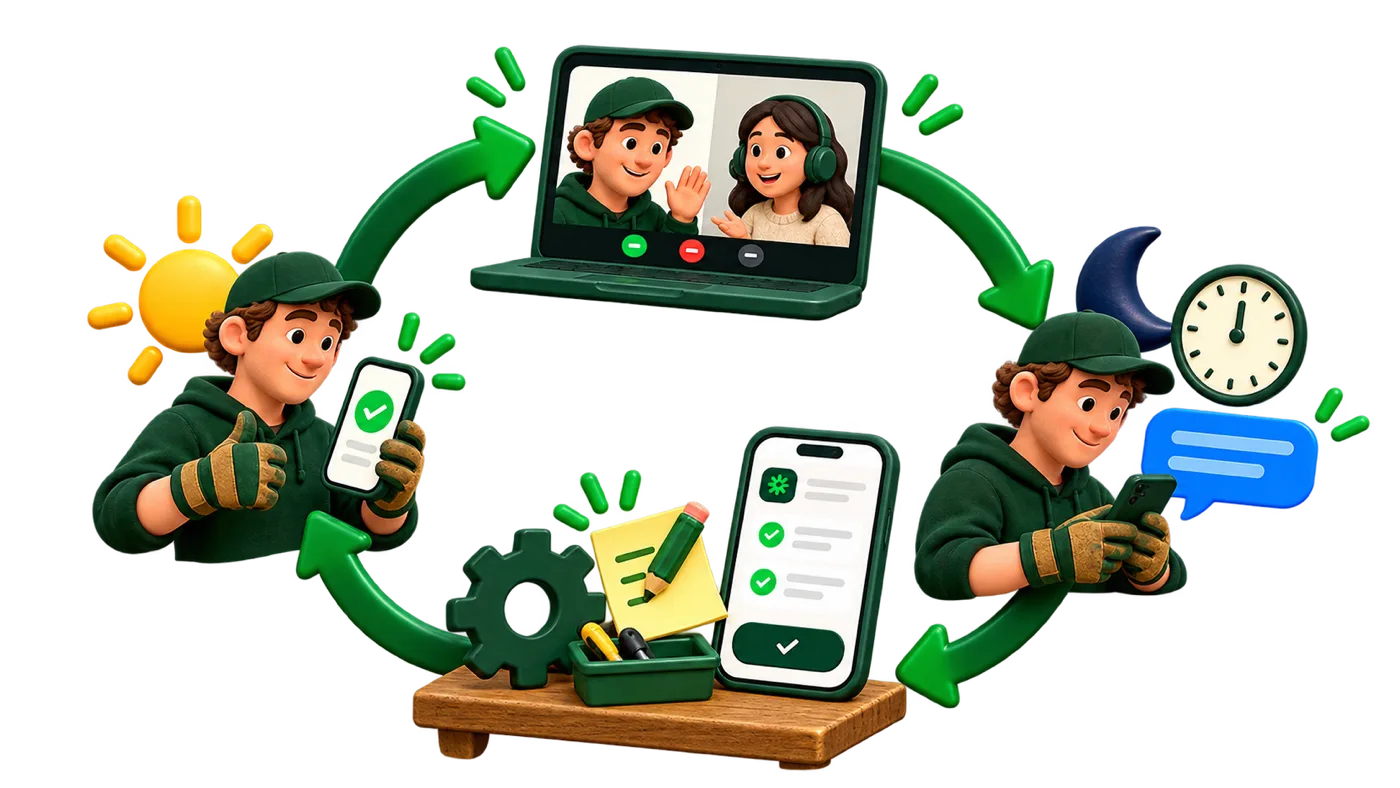
We onboarded every new operator live over video call. The first call (with my very kind neighbor) took an hour and forty-five minutes to get through. (That is a very long time - way too long!!!)
Over the beta, we listened to user feedback to automate and cut down onboarding. Today onboarding is self-serve and takes less than ten minutes, but we still look forward to developing meaningful relationships with our customers. Customers can also start experimenting over iMessage as opposed to having to download the app, which is pretty cool as it gives us a shot at very quickly demonstrating the utility of what we built.
Some of the best feedback loops came at 10pm after our beta testers were done with their work for the day and started to think about what could be improved. We'd then spend between 10pm-1am making changes, then we'd receive feedback from beta testers the next morning, and improve further from there. This sounds like a bunch of work, which it was, but we didn't think of it that way - it was energizing to have the clarity of what features mattered to the users and how we could make those features better.
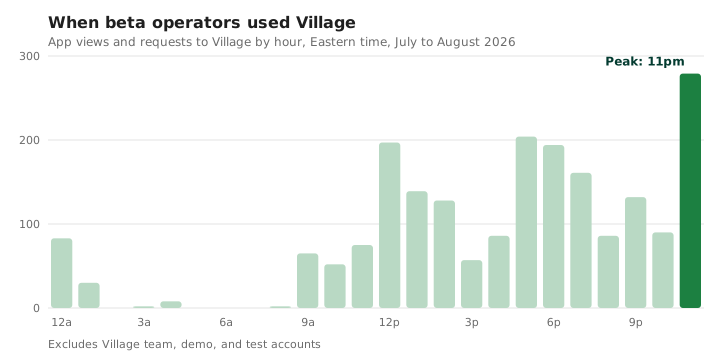
The usage data backs this up. Activity picked up again after the workday, and 11pm was the busiest hour of the entire beta.
We also spent hour-long calls with operators who use fantastic incumbent platforms like Housecall Pro and SmartMoving. And we spoke with team members at companies like Netic, Nextdoor, Thumbtack, and Taskrabbit to learn as much as we could about where residential services technology is headed, especially how to help someone grow from a solo operation into a sustainable small business with multiple trucks and crews. We are grateful to everyone who was willing to share their advice.
People want it done over iMessage
We spent months building the app and web app. The clearest lesson of the beta was that people mostly wanted to get everything done over iMessage.
That makes sense once you watch an operator's day. Brecken is in a truck or a customer's garage, not at a desk. His customers already text him. His crew already texts him. Stopping to open an app to look up a phone number, draft an invoice, or move a job slows him down between jobs. Texting "send Mrs. Smith her invoice" or "push Thursday's job to Friday" is plainly just super super easy to do.
The usage showed it. Four operators sent Village 69 requests during the beta, mostly to draft and send invoices, look up a customer, text that customer, and move a job on the calendar. These are the tasks owners do every day to run their business, and they chose to do them by text instead of in the app.
Where we're headed
Village is still an operating system for the owner of a small service business. The calendar organizes schedules and keeps the owner, customers, and crew aligned on who is going where and when. We help our users understand their profitability, manage payments, organize quotes and invoices, and track expenses. The customers of our customers interact over text messages, emails, and links, and do not have to download any app.
What we were surprised to find is that business owners really, really wanted to interact with Village over iMessage for most of their everyday tasks. Sure, they'd use the app to review their business and handle more complex tasks, like building a detailed quote or reviewing their numbers. But for the urgent or common use cases (e.g., "send the invoice to Karen ASAP"), our users went right to texting Village via iMessage.
So now, we're focused on building the most seamless, delightful, capable iMessage features we can build to help our users more easily grow their businesses.
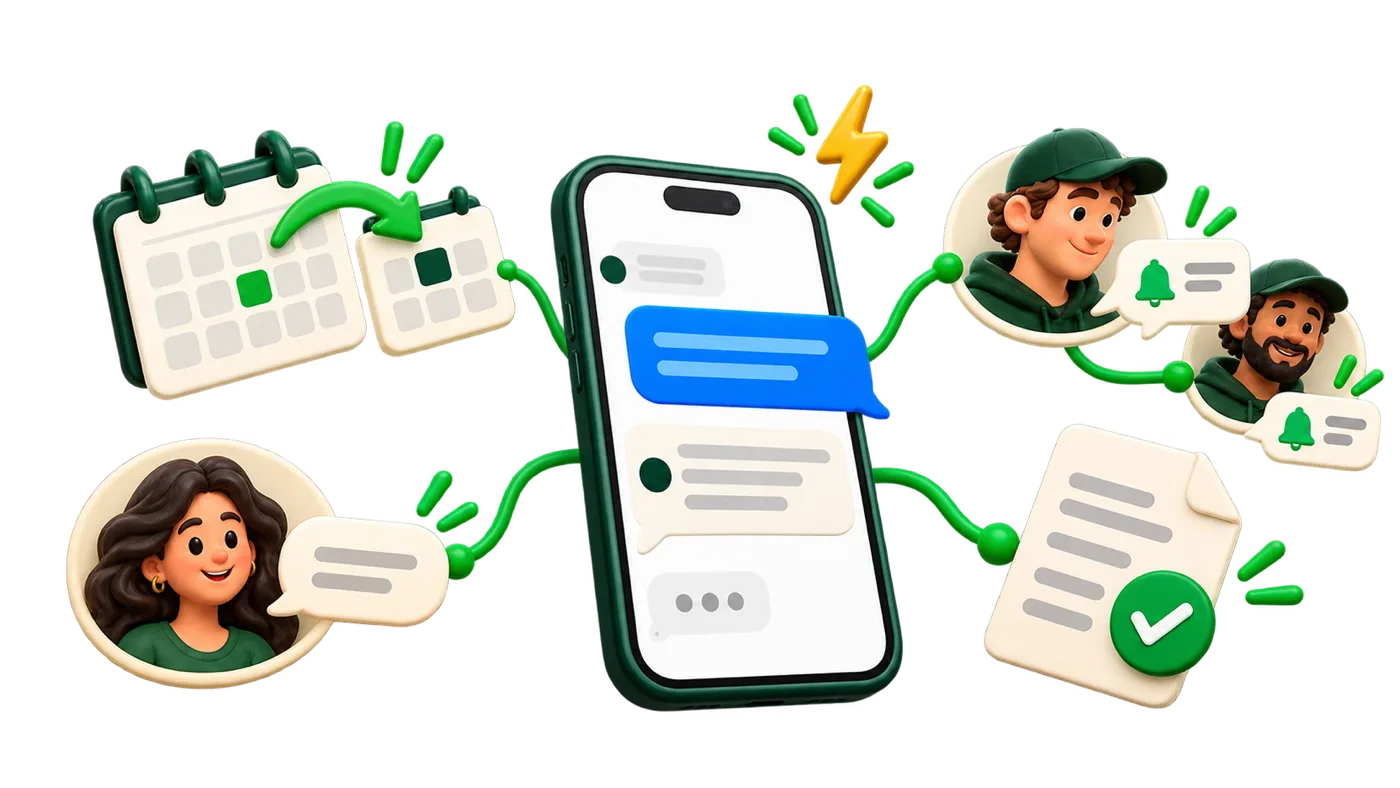
This vision requires us to reduce latency from what was previously a minute for complex requests into seconds-long or near instant response times. It also means being proactive enough to take up a straightforward task before asking questions, remembering key details on every customer, and sending reminders to customers and crew members so everyone is organized and customer no-shows become a thing of the past.
If you run your business from your phone and the details of your business still live in your head + Google sheets + the notes app, we built this for you. We hope to meet you soon so we can mutually take our businesses to higher and higher levels of success.
William Ross is the founder of Village. He ran a landscaping and pine straw business in high school in Atlanta and studied at UGA on the Foundation Fellowship. Before building Village, he worked in investment banking and private equity.